Your Conference MC Is the Most Under-Briefed Person in the Room
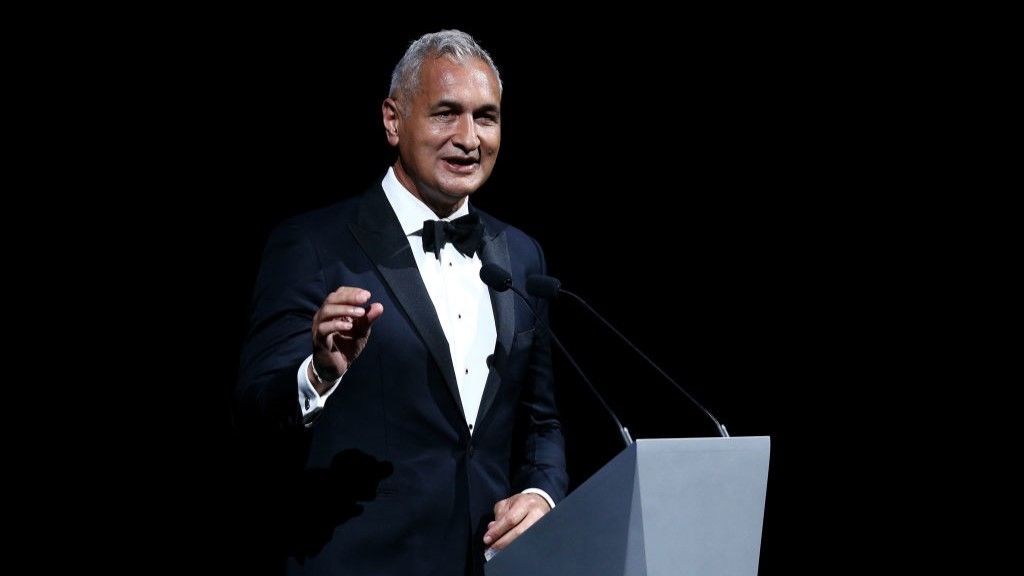
Your MC is on stage for two days. Your keynote is on for 45 minutes. If your budget has those the other way round, read this.
Your Conference MC Is the Most Under-Briefed Person in the Room
A conference MC is the only person on your programme accountable for the entire event, not just their own 45 minutes. They hold the room across two days, absorb every overrun, and carry the recovery when something falls over. They are also, on most events we quote, the last role booked and the least briefed. Essential Talent is a New Zealand speaker bureau, and this is the pattern we would most like to see change.
What does a conference MC actually do?
A conference MC runs the room. They open and close each day, introduce and thank every speaker, manage the transitions, hold timings, read the energy and adjust, cover the gaps when a session ends early or a laptop dies, and land the event on a note the audience takes home. Announcing names is maybe ten per cent of it.
The rest is judgement made in real time. A speaker runs eleven minutes over and morning tea is now compressed. A panellist says something that lands badly. The venue's second microphone fails during Q&A. Nobody in the audience has asked a question and there are four minutes of silence to fill.
Every one of those is an MC decision, made live, with 400 people watching. Your run sheet cannot make them for you.
Is a comedian the same thing as a conference MC?
No, though the same person can be both. Comedy is a performance skill: writing, timing, holding a room with material. MC work is a management skill performed in public: pace, structure, listening, and knowing when to get off the stage. Some people have both. Plenty of very funny people have only the first.
The failure mode is specific and we see it every year. A comedian is booked to "lift the energy", delivers a genuinely strong ten minutes at the top, and then treats the rest of the two days as filler between their own bits. The room enjoys them and the conference loses its spine.
The test is not whether they are funny. It is whether they can summarise a technical session they have just heard, in a sentence, in a way the audience recognises as accurate. That requires listening to the whole thing. Ask any MC candidate directly how they prepare for sessions they are not delivering. The answer tells you which kind of performer you have.
Some of the strongest MCs on our roster came from broadcasting rather than comedy, for exactly this reason: Mike McRoberts, Rachel Smalley, Scotty Stevenson. Live broadcast trains the same muscle a conference needs. Others, like Jeremy Corbett and Michèle A'Court, have spent long enough doing both that the distinction has stopped mattering.
What should you tell your MC before the event?
More than you think, and earlier than you think. An MC briefed a week out can read your run sheet. An MC briefed a month out can help you fix it.
Give them:
The full run sheet, with the parts you are worried about flagged. MCs are the cheapest programme consultant you will ever hire, and most will tell you honestly which session is going to sag.
Speaker bios written the way you want them read aloud. A bio built for a printed programme reads terribly from a stage. Let the MC rewrite them and send them back to you.
The internal politics. Who is presenting under pressure, which announcement is contentious, whose name people will react to. This is confidential and it prevents live mistakes.
Pronunciation. Every speaker name, every place name, every te reo Māori word appearing on your slides. Send it in writing, phonetically, before the day.
What happens if you fall behind. Decide in advance what gets cut. It is a calm decision on Tuesday and a panicked one at 3:40pm on Thursday.
The one thing you want people to leave with. The MC is the last voice in the room. If they know the message, they will land it in the close.
Why does a conference lose the room after lunch?
Because attention has a shape, and most programmes ignore it. Analysis by Snapsight across more than 600 events found audience engagement drops sharply after 45 minutes across nearly all formats, with the best-rated keynotes landing at 30 to 40 minutes. Morning sessions tolerate longer content. Sessions between 2pm and 4pm need to be shorter and more interactive. End-of-day sessions should be shortest of all.
PCMA's research points the same way: attention on passive content falls away past the 45-minute mark. None of this is new, and almost every conference programme still contains a 60-minute presentation at 2:30pm on day two.
This is where a good MC earns their fee several times over. They cannot shorten a session that is already contracted, but they can change what happens around it. A two-minute stand-up-and-turn-to-your-neighbour before the speaker starts. A genuinely energetic re-entry after lunch instead of a mumbled "right, let's get going". Cutting their own material to give a struggling room five extra minutes on their feet.
An MC who has read the programme and knows where the sag is will manage it. An MC who received the run sheet on the morning will read out the next name and sit down.
When should you book a conference MC in New Zealand?
Six months out for October and November, earlier if your dates clash with the main conference season. The New Zealand events market is busy and getting busier: MEETINGS 2026 in Tāmaki Makaurau Auckland generated a projected NZ$170 million in deals, up 55% on 2025, and international business events delegate arrivals rose more than 50% year-on-year in the first quarter of 2026.
October is the crunch. The BEIA Conference runs 27 to 29 October 2026 in Ōtautahi Christchurch, with association conferences stacked either side of it. Experienced MCs are booked for multi-day engagements, which means one commitment removes them from an entire week, not an afternoon.
Book the MC at the same time as the venue, not after the keynotes. It is the role most likely to be gone, and the one your delegates will spend the most hours with.