The Man Who Made Me a Feminist
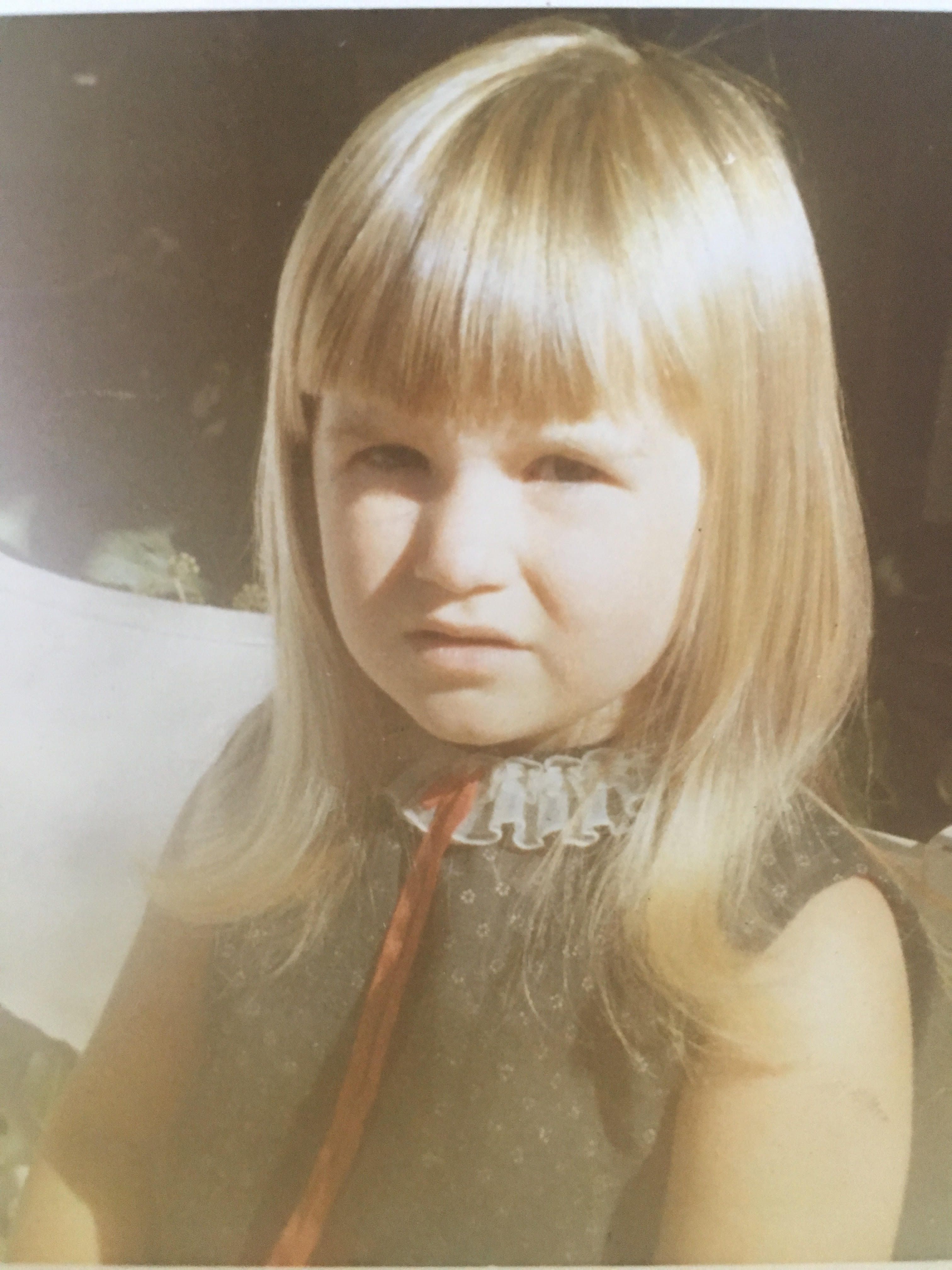
You’d think that would have been the blokiest of blokey environments. But my grandfather didn’t want it that way. He appointed women to roles on the farm and in the laboratories.
My grandfather died when I was three, but he is the reason I am a feminist.
This International Women’s Day, as I look at the dumpster fire of women’s rights globally – renewed threats to reproductive autonomy, the rise of Andrew Tate wannabes and tradwives as the patriarchy goes digital; the fact women still perform around 75 % of unpaid care work worldwide while the global economy runs on their invisible labour – I’m choosing to look backwards.
Backwards, to be inspired by who and what came before us. International Women’s Day 2026 urges giving to forge gender equality. Which makes me think of my grandfather.
I wish I’d known him better. What I know comes mostly through my mother, his daughter. He left school at 14 to work on the family farm when his brother went off to war, only to be killed in the desert at Amman. Despite limited formal education, he had strong engineering knowledge and was a gifted writer – skills which saw him become manager of the Ruakura agricultural research centre in Hamilton from the 1940s through to the 1960s.
You’d think that would have been the blokiest of blokey environments. But my grandfather didn’t want it that way. He appointed women to roles on the farm and in the laboratories.
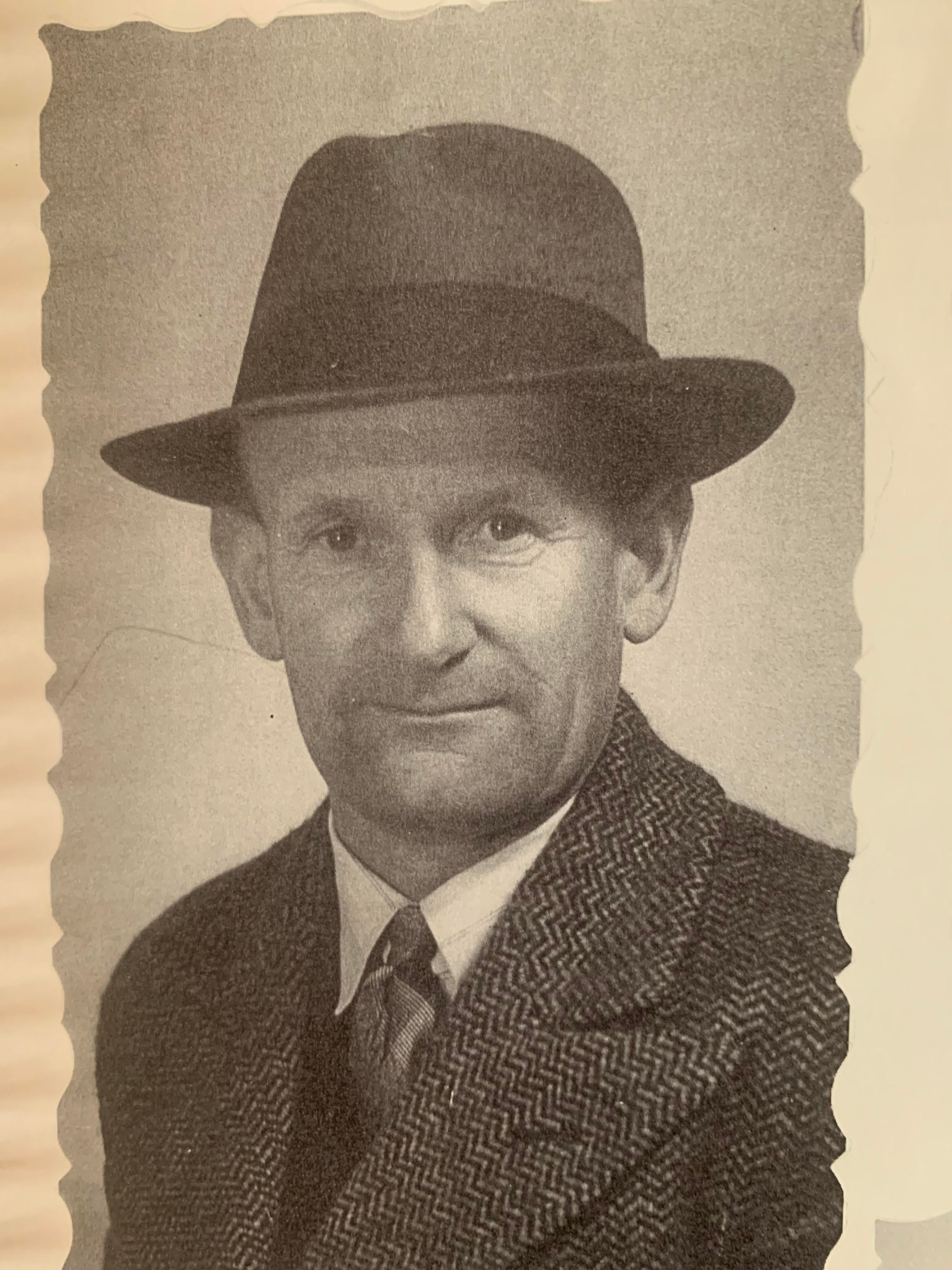
He employed a woman graphic designer – a first – who worked on the original Fieldays branding. At home, he modelled equality too. My grandparents shared a partnership of 43 years. When my mother didn’t want to follow her friends into teachers’ college, he encouraged her into draughting and an architectural cadetship instead.
He believed women were equal, and walked that talk. My mother’s feminism came from him, which became his legacy for me.
In 2026, women’s rights aren’t just under attack; they’re being reassigned. Power structures are redefining what women are for, often while pretending nothing has changed. Women are expected to calm men’s anger, hold families together, preserve tradition, and be endlessly flexible and resilient. Intimate partner violence is minimised, victims are scrutinised more than perpetrators, and women’s bodies are once again contested territory as reproductive rights erode. The underlying message: women have gone too far, and men are paying the price.
My grandfather lived in a time when women had far fewer rights, and he understood instinctively that this was wrong. I don’t know whether he would have called himself a feminist, but he didn’t need the language. He simply acted as if women were equal and expanded their opportunities without being asked.
That’s why this International Women’s Day I’m looking backwards. Because progress isn’t permanent, and what was fought for can be undone.
Paula Penfold is a multi award‑winning journalist, inspiring speaker and credible MC known for communicating complicated stories clearly, convincing people to talk and challenging authority – and getting resultsessentialtalent.co.nz. Her storytelling reminds us how powerful it is when people use their platform to stand up for fairness and amplify voices that are often silenced.
Learn more about our International Women’s Day speakers and book Paula for your next event at Essential Talent: https://essentialtalent.co.nz/international-womens-day-speakers-2026
#InternationalWomensDay #GenderEquality #Feminism #EssentialTalent #GivetoGain